Roof Repair
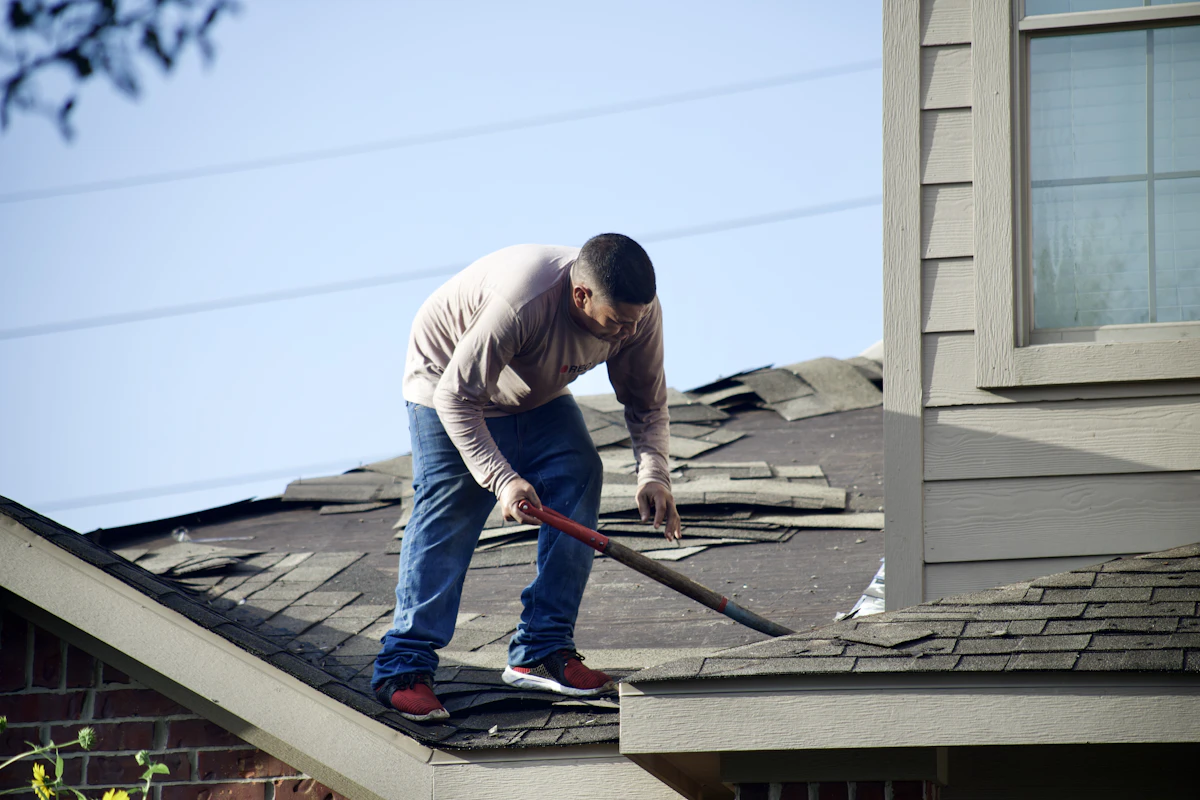
A ceiling stain or a shingle in the yard can be unsettling. Learn how a roofer may trace the source, check nearby materials, and explain repair options.
Explore roof repair →Wind, hail, and fallen branches can leave damage that is easy to miss from the ground. Start with household safety, then document what you can see and arrange an assessment if you are concerned.
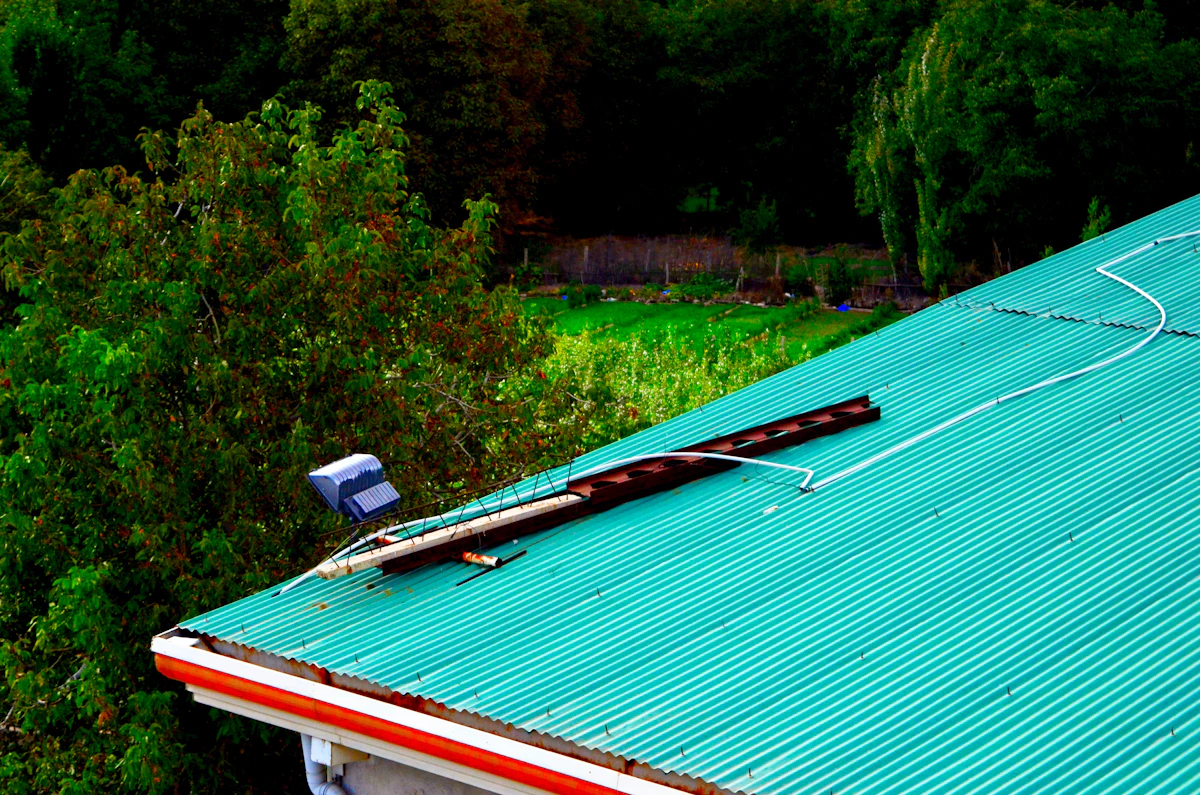
After severe weather, a missing shingle or interior leak may be obvious, while other damage is harder to spot without a closer look. Do not climb onto the roof to investigate. Keep away from downed lines, unstable limbs, sagging areas, and wet electrical fixtures.
A professional assessment may document visible conditions and explain which areas need attention. If you plan to contact your insurer, keep your own photos and notes and ask the insurer what documentation it needs; coverage decisions depend on your policy and its review.
Savannah Roofing Services is an independent inquiry resource, not a roofing contractor. With your consent, an inquiry may be shared with an independent roofing professional. The information below is general; the professional who evaluates your home can explain the conditions found and the scope of any proposed work.
Check the inside of the home for active leaks, ceiling changes, and water near electrical equipment. If it is safe, move belongings away from drips and place a container to catch water. Photograph interior damage and anything visible outside from a safe location.
Stay clear of downed power lines, damaged trees, unstable structures, and sagging ceilings. Do not climb onto a wet or damaged roof or use a ladder in unsafe weather. For immediate danger, contact emergency services or the appropriate utility.
From the ground, you may notice missing or lifted shingles, displaced flashing, damaged vents, fallen branches, dented gutters, or debris. Water stains or damp insulation indoors can point to water intrusion, although the source may be elsewhere on the roof.
Some wind and hail damage is not visible from the ground. A professional assessment can examine accessible areas and document what is observed, but the exact scope depends on safety, access, and the condition of the roof.
The person assessing the roof may ask when the storm occurred, what changed afterward, and where water is entering. They may inspect visible roofing materials, flashing, roof edges, penetrations, and nearby areas, then take photographs and explain any recommended temporary protection or permanent work.
Ask for the observations and proposed repairs in writing. If temporary protection is discussed, clarify what it covers, how long it is intended to last, and whether a separate repair estimate will follow. Do not assume that a temporary measure is a permanent repair.
Save the date of the storm, your own photos, notes about when a leak appeared, and copies of any inspection or repair documents. If you file an insurance claim, contact your insurer directly and follow its instructions. A roofing assessment can document visible conditions, but the insurer determines coverage under your policy.
When comparing repair proposals, look for the affected areas, materials, labor, exclusions, and any assumptions about concealed damage. The website does not provide emergency response or make insurance coverage decisions.
From the ground, look for missing or displaced shingles, damaged gutters, fallen branches or water stains indoors. Wind and hail damage may not be visible from the ground, so arrange an assessment if you are concerned.
Keep away from downed lines, unstable branches and sagging ceilings. If it is safe, move belongings, contain indoor drips and photograph visible damage. Do not climb onto a wet or damaged roof.
Coverage depends on your policy, the cause and timing of the damage, and the insurer’s review. Document what you can safely observe, contact your insurer for policy guidance and keep copies of inspection findings.
Call 743-400-6370 or send an inquiry with your ZIP code and a brief description. An independent professional may follow up about your request.
Request a Free EstimateAvailability and any estimate terms are set by the independent professional who responds.
A ceiling stain or a shingle in the yard can be unsettling. Learn how a roofer may trace the source, check nearby materials, and explain repair options.
Explore roof repair →
If repairs keep adding up or the roof is wearing across several areas, replacement may be worth discussing. See what goes into the assessment and estimate.
Explore roof replacement →
A new roof is a system, not just a surface. Learn about preparation, water management, ventilation, material selection, and the details worth confirming.
Explore roof installation →