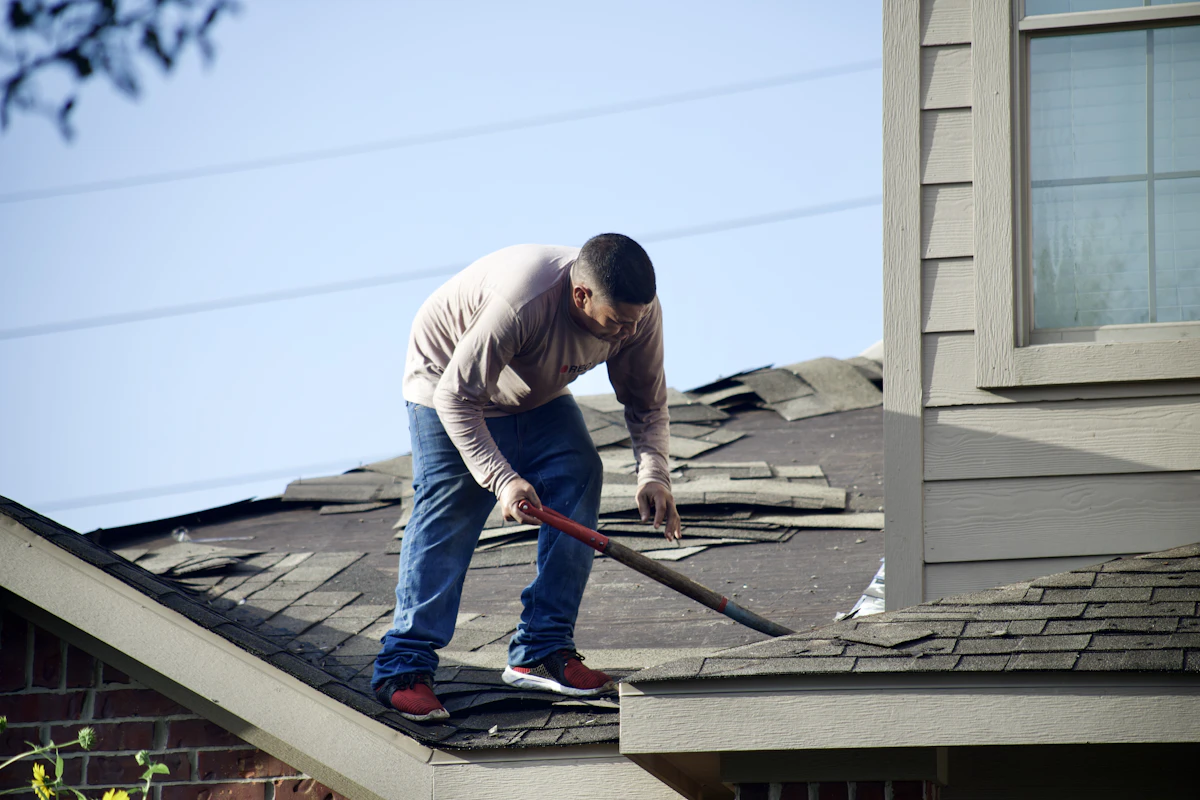
Roof Repair
A ceiling stain or a shingle in the yard can be unsettling. Learn how a roofer may trace the source, check nearby materials, and explain repair options.
Explore roof repair →Savannah roof repair, replacement, installation, metal roofing and storm damage resources for local homeowners. Call 743-400-6370 or send an inquiry to be connected with an independent roofing professional.
Savannah, Pooler, Richmond Hill and nearby coastal Georgia communities
Savannah weather brings humid summers and periods of wind and heavy rain. If you have spotted a stain, a loose shingle, or simply know the roof is getting older, these guides can help you understand what a professional may check and what to ask before agreeing to work.
We do not perform roofing work or represent ourselves as a roofing contractor. An inquiry may be shared with an independent professional who can discuss your project directly.
Tell us what is happening with your roof →
Start with the service that best matches your concern. Each guide covers useful questions to discuss during an on-site evaluation.
A ceiling stain or a shingle in the yard can be unsettling. Learn how a roofer may trace the source, check nearby materials, and explain repair options.
Explore roof repair →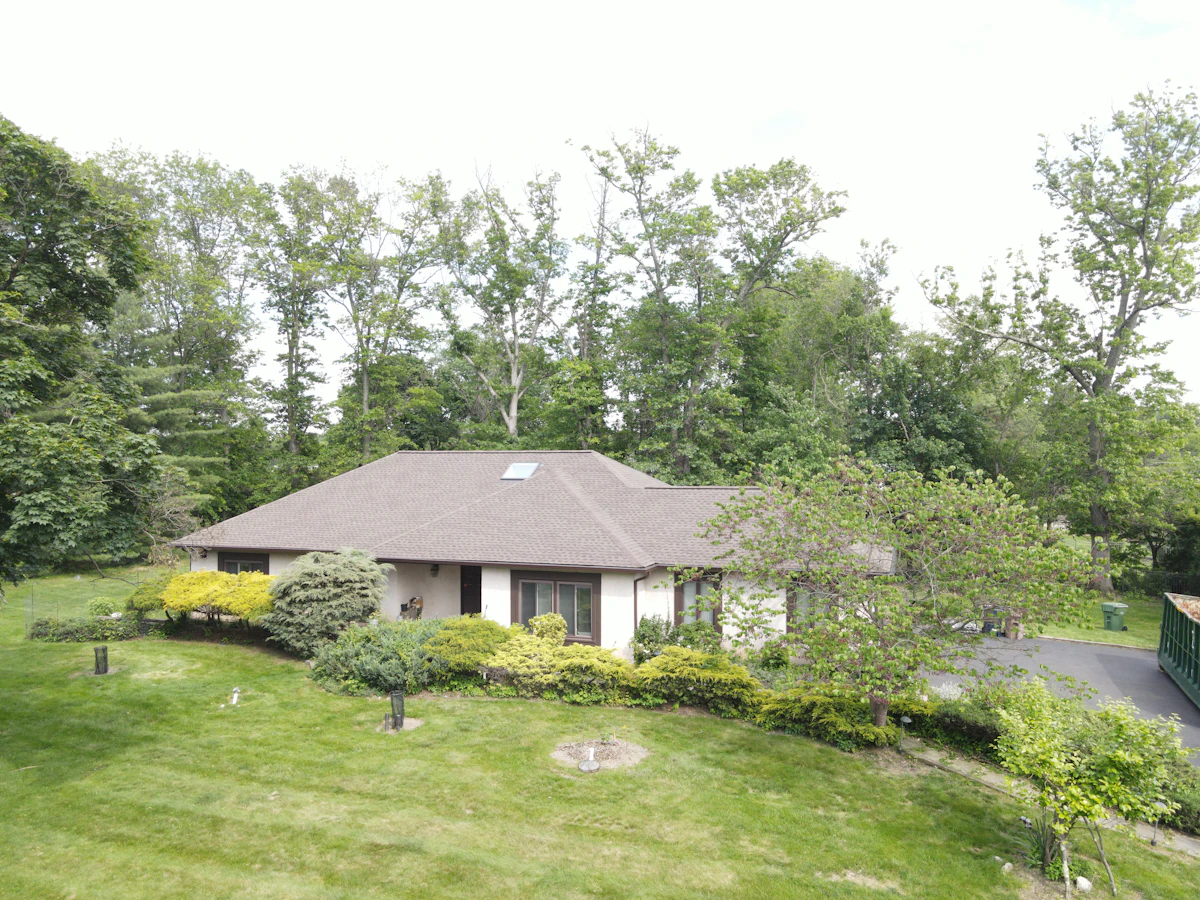
If repairs keep adding up or the roof is wearing across several areas, replacement may be worth discussing. See what goes into the assessment and estimate.
Explore roof replacement →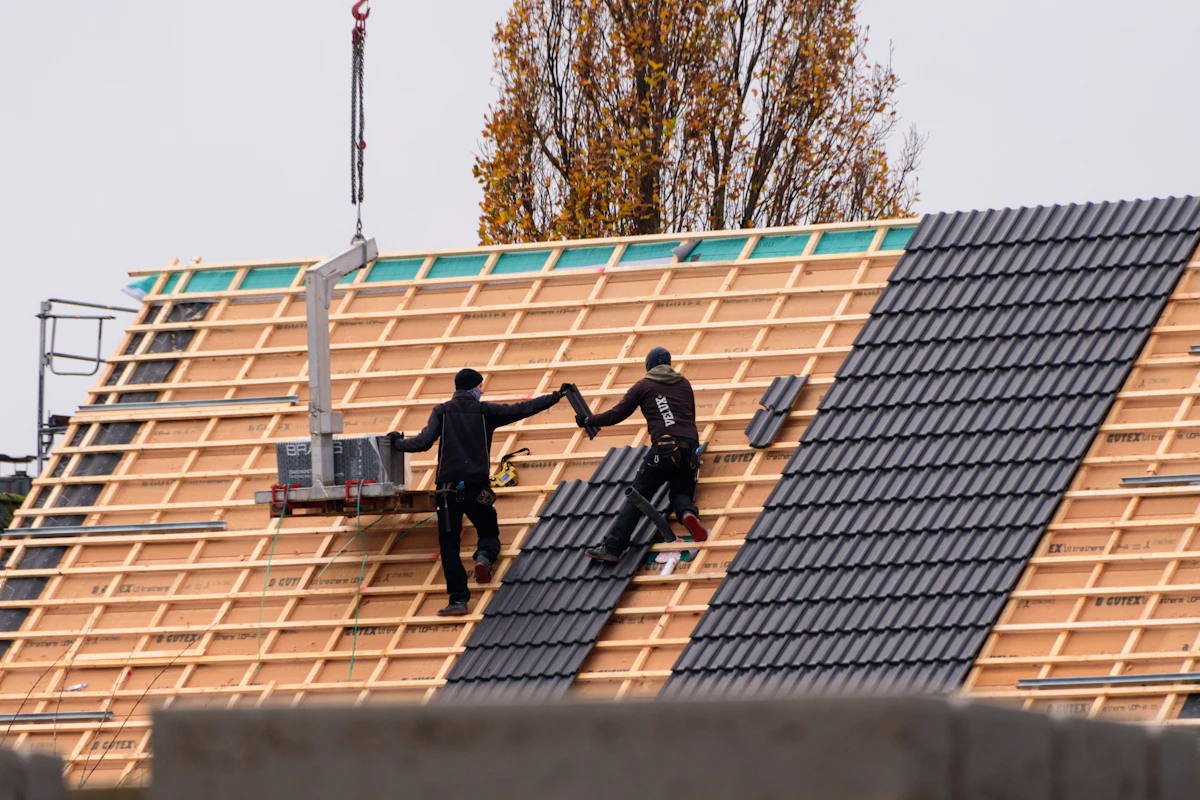
A new roof is a system, not just a surface. Learn about preparation, water management, ventilation, material selection, and the details worth confirming.
Explore roof installation →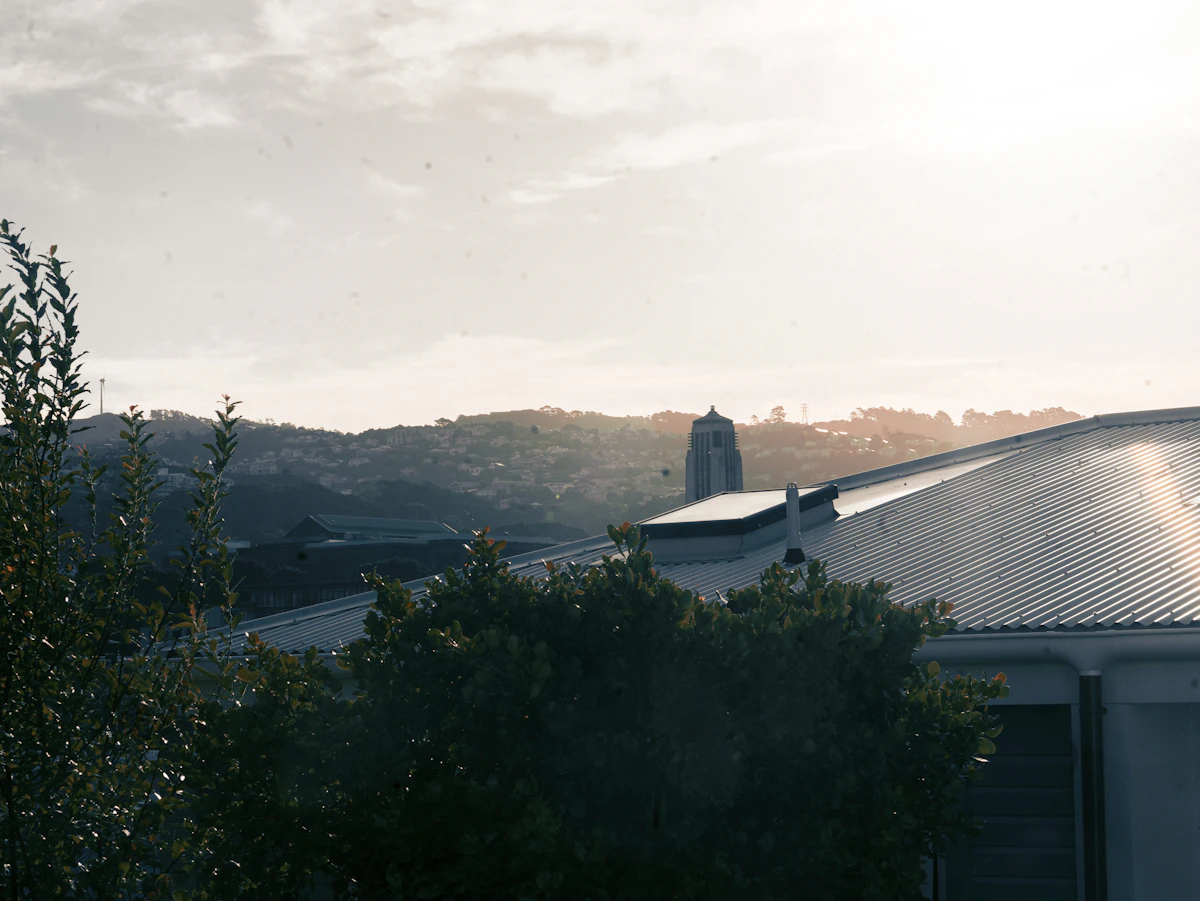
Standing-seam panels, exposed-fastener panels, and metal shingles each have different details. Compare the systems, costs, and maintenance before choosing.
Explore metal roofing →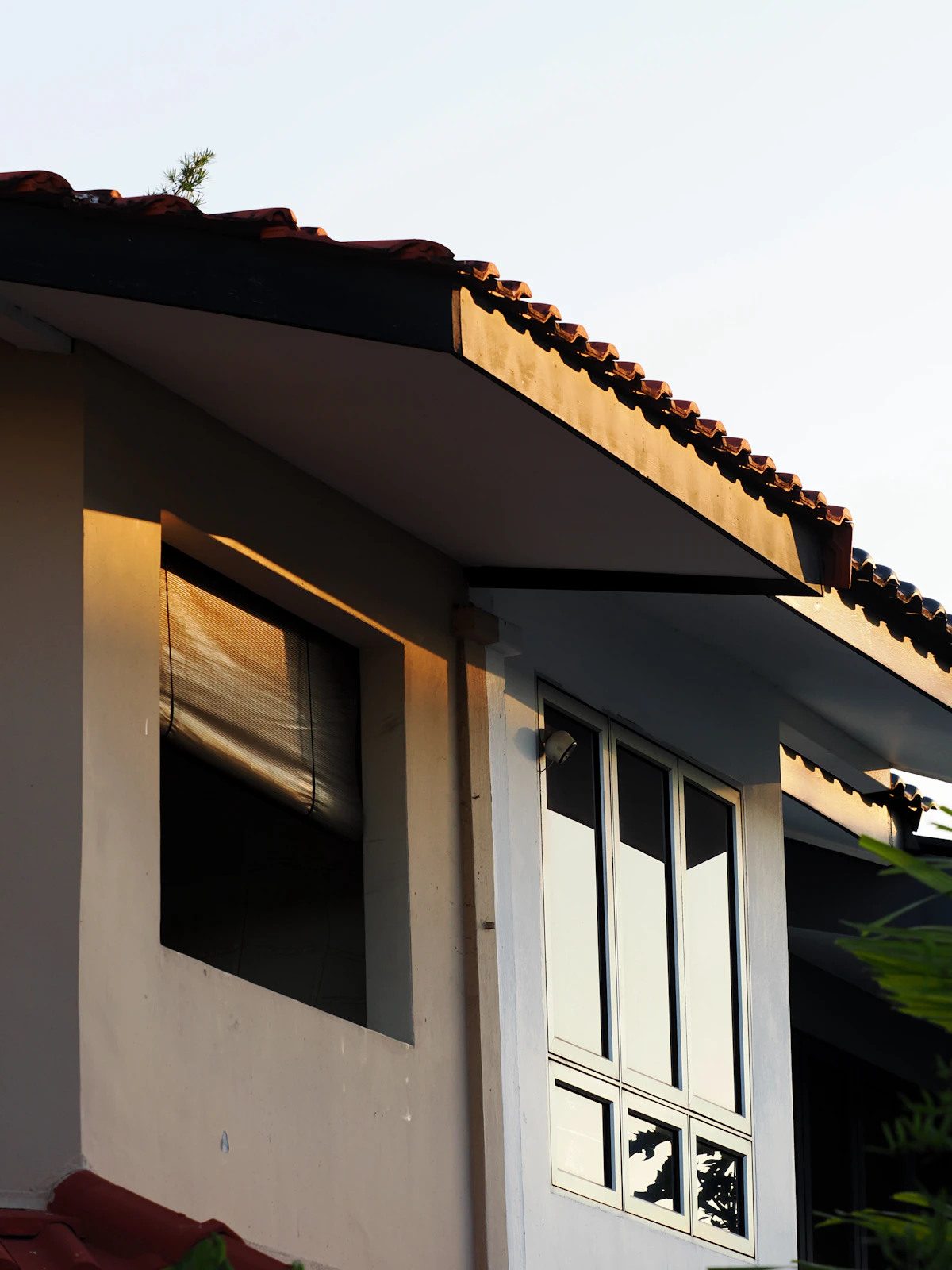
Find out what an inspection can cover, when homeowners often arrange one, and what to ask for in the photos or written findings.
Explore roof inspection →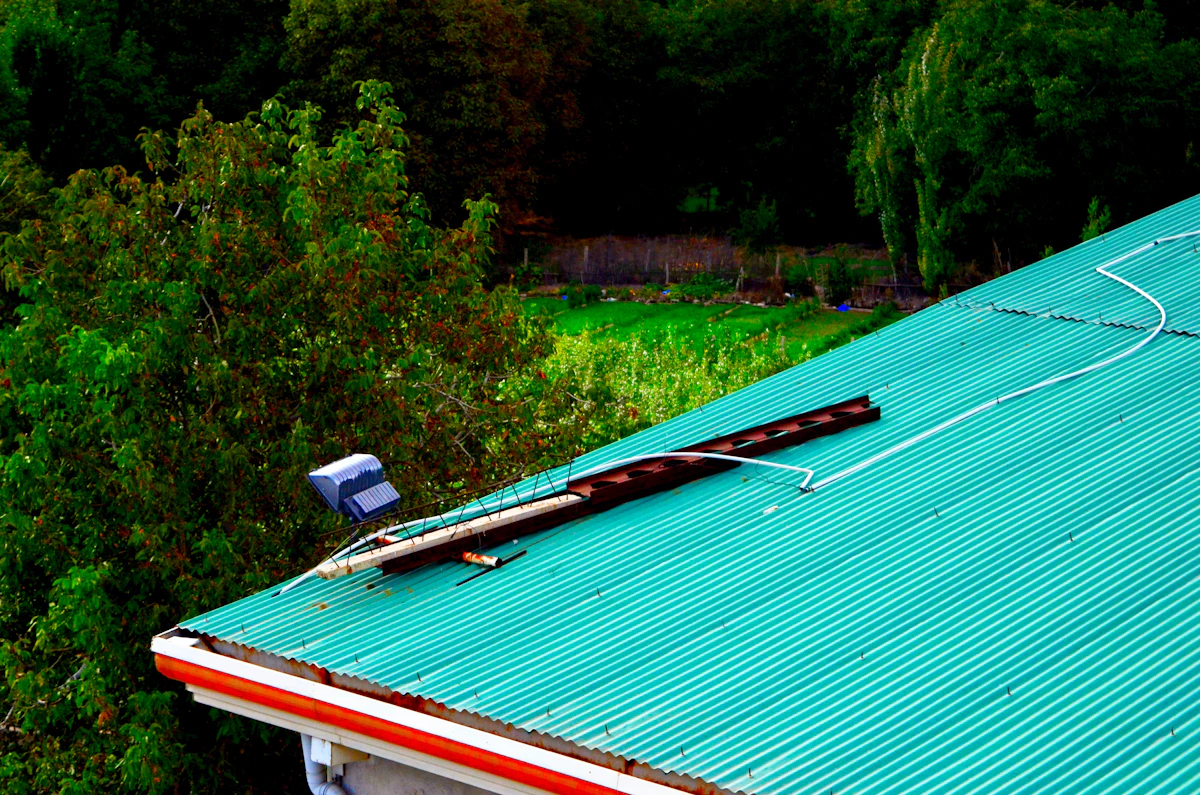
After wind or hail, focus first on safety. Learn which signs to document from the ground and what an assessment may include.
Explore storm damage roofing →Water stains, missing shingles, lifted flashing, granules collecting in gutters, damp attic insulation or a sagging roofline can signal a problem. These signs do not identify the cause on their own, and some damage cannot be seen from the ground.
Call our inquiry line or send a few details. We’ll use the information to help route your request to an independent roofing professional.
Request a Free EstimateEstimate terms and availability are determined by the independent professional who responds.
We welcome roofing inquiries from homeowners in Savannah and nearby coastal Georgia communities. Availability depends on the independent professional who receives a request.
Short, practical answers to questions Savannah homeowners commonly ask.
There is no reliable price without seeing the roof. Size, pitch, layers to remove, material, access, flashing and any decking repairs all affect an estimate. Ask for an itemized written scope based on an on-site assessment.
Widespread or recurring leaks, extensive shingle loss, visible sagging, daylight in the attic or aging materials may justify an evaluation. A professional can compare repair and replacement options; one warning sign alone does not prove replacement is necessary.
Service life varies with shingle type, installation, ventilation, weather exposure and maintenance. Check the product documentation and have the actual roof condition assessed rather than relying on a single age estimate.
Often, yes. A localized leak may be repairable when surrounding materials remain sound. The source can be difficult to locate, so a professional should inspect the roof and nearby flashing before recommending a scope.
From the ground, look for missing or displaced shingles, damaged flashing, fallen limbs, debris or water stains indoors. Do not climb onto a wet or damaged roof. Some wind and hail damage is difficult to see safely from the ground.
Metal roofing can be used in Georgia, but the panel system, fasteners, flashing and installation must suit the building and local conditions. Compare upfront cost, noise expectations, finish and maintenance with other options.
Consider an inspection periodically and after significant weather, especially if the roof is older or you notice a leak or exterior change. Follow the roof manufacturer’s care guidance and avoid walking on the roof yourself.
Keep people away from affected electrical fixtures, move belongings if safe, and contain drips with a bucket. Photograph visible interior damage from a safe location and arrange a professional assessment. Avoid climbing onto the roof or attempting a repair in unsafe conditions.