Roof Repair
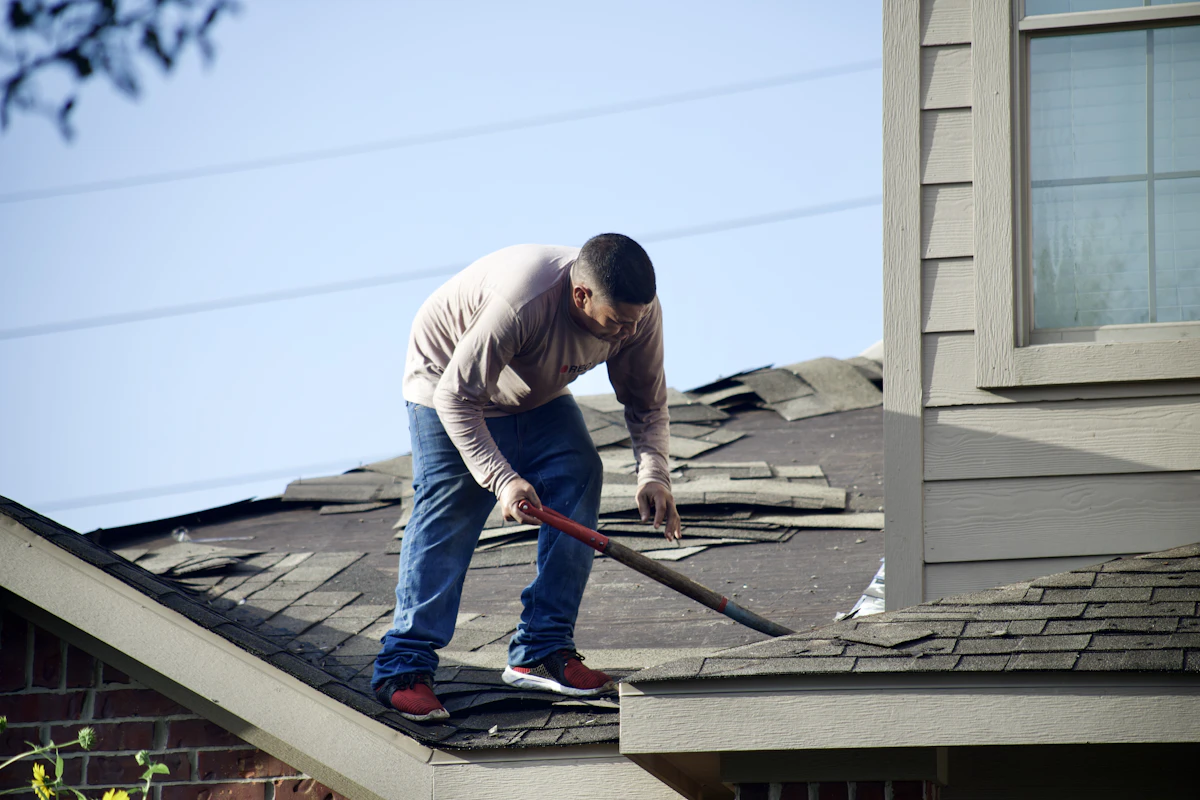
A ceiling stain or a shingle in the yard can be unsettling. Learn how a roofer may trace the source, check nearby materials, and explain repair options.
Explore roof repair →A roof inspection can help make sense of a leak, storm concern, or maintenance question. Here is what an assessment may cover—and what it cannot confirm without opening the roof.
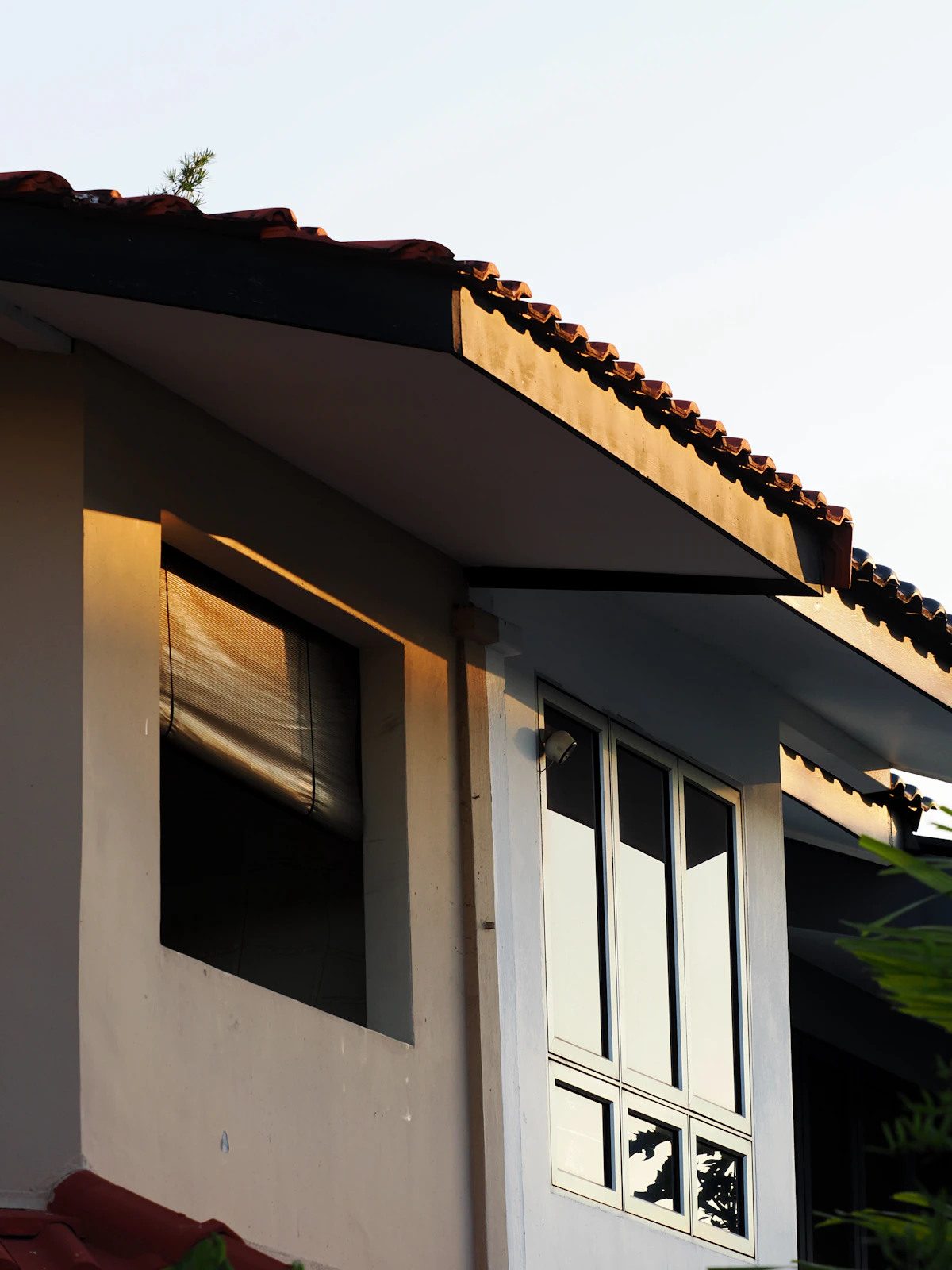
A roof inspection is an evaluation of visible and accessible areas, not a guarantee that every hidden condition can be found. Depending on the requested scope and safe access, it may include the roof covering, flashing, valleys, penetrations, drainage, and accessible attic areas.
Before scheduling, explain what prompted the inspection and ask what areas will be included. Photos and a written summary can make the findings easier to understand and give you a useful record when comparing next steps.
Savannah Roofing Services is an independent inquiry resource, not a roofing contractor. With your consent, an inquiry may be shared with an independent roofing professional. The information below is general; the professional who evaluates your home can explain the conditions found and the scope of any proposed work.
An inspection may review visible shingles or panels, roof edges, flashing, valleys, vents, chimneys, skylights, gutters, and other accessible components. If attic access is available and included in the scope, the inspector may also look for visible moisture marks, daylight, or ventilation concerns.
The exact process varies with roof design, weather, access, and the type of inspection requested. Ask whether the inspector will walk the roof, view it from another safe position, or use another method—and what parts will not be assessed.
People often request an inspection after a significant storm, when they notice a leak or change in the roofline, while planning maintenance, or before making a decision about repair or replacement. A real-estate transaction may have a separate inspection scope, so confirm what the assessment is intended to cover.
If water is entering the home, mention where and when you first noticed it. If the concern followed a storm, share the approximate date and what you can safely see from the ground. These details help the professional understand what to investigate.
Ask for photographs of the areas discussed and a written explanation of any visible concerns. A useful summary distinguishes observed conditions from possible causes and recommended next steps. If an area was inaccessible, ask that limitation be noted rather than treating it as inspected.
A visual inspection cannot always determine what is beneath the roofing material. Confirming concealed deck damage or the source of a difficult leak may require additional evaluation or opening a small area, which should be discussed before that work is done.
Use the report to ask specific follow-up questions: which area needs attention, how urgent the concern appears, what repair options exist, and what could not be confirmed. If you receive multiple recommendations, compare the photos and written scopes rather than relying on a verbal summary alone.
For your own safety, observe the roof from the ground and avoid walking on it. Wet surfaces, steep slopes, and hidden damage can make a roof unsafe even when it looks intact.
Consider an inspection after significant weather, when you notice a leak or visible change, or as part of routine home maintenance. The appropriate timing depends on the roof’s age and condition.
The scope may include visible roof coverings, flashing, valleys, penetrations and accessible attic areas. Ask what areas are accessible and whether photos or a written summary will be provided.
You can look for visible changes from the ground and note interior stains, but do not walk on the roof. Some damage is difficult to see safely without a closer professional assessment.
Call 743-400-6370 or send an inquiry with your ZIP code and a brief description. An independent professional may follow up about your request.
Request a Free EstimateAvailability and any estimate terms are set by the independent professional who responds.
A ceiling stain or a shingle in the yard can be unsettling. Learn how a roofer may trace the source, check nearby materials, and explain repair options.
Explore roof repair →
If repairs keep adding up or the roof is wearing across several areas, replacement may be worth discussing. See what goes into the assessment and estimate.
Explore roof replacement →
A new roof is a system, not just a surface. Learn about preparation, water management, ventilation, material selection, and the details worth confirming.
Explore roof installation →