Roof Repair
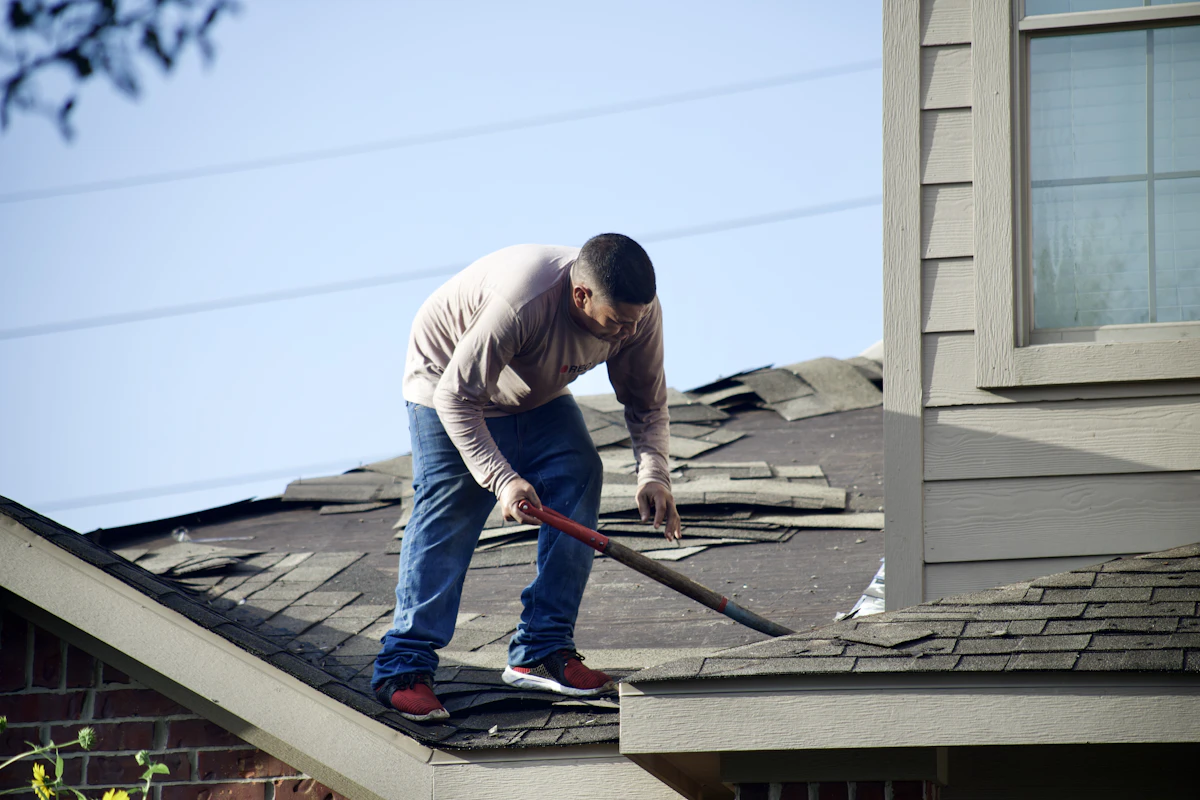
A ceiling stain or a shingle in the yard can be unsettling. Learn how a roofer may trace the source, check nearby materials, and explain repair options.
Explore roof repair →When a roof is worn in several places or repairs keep returning, it may be time to compare replacement with another repair. Here is what a careful assessment and written project scope should cover before you make a decision.
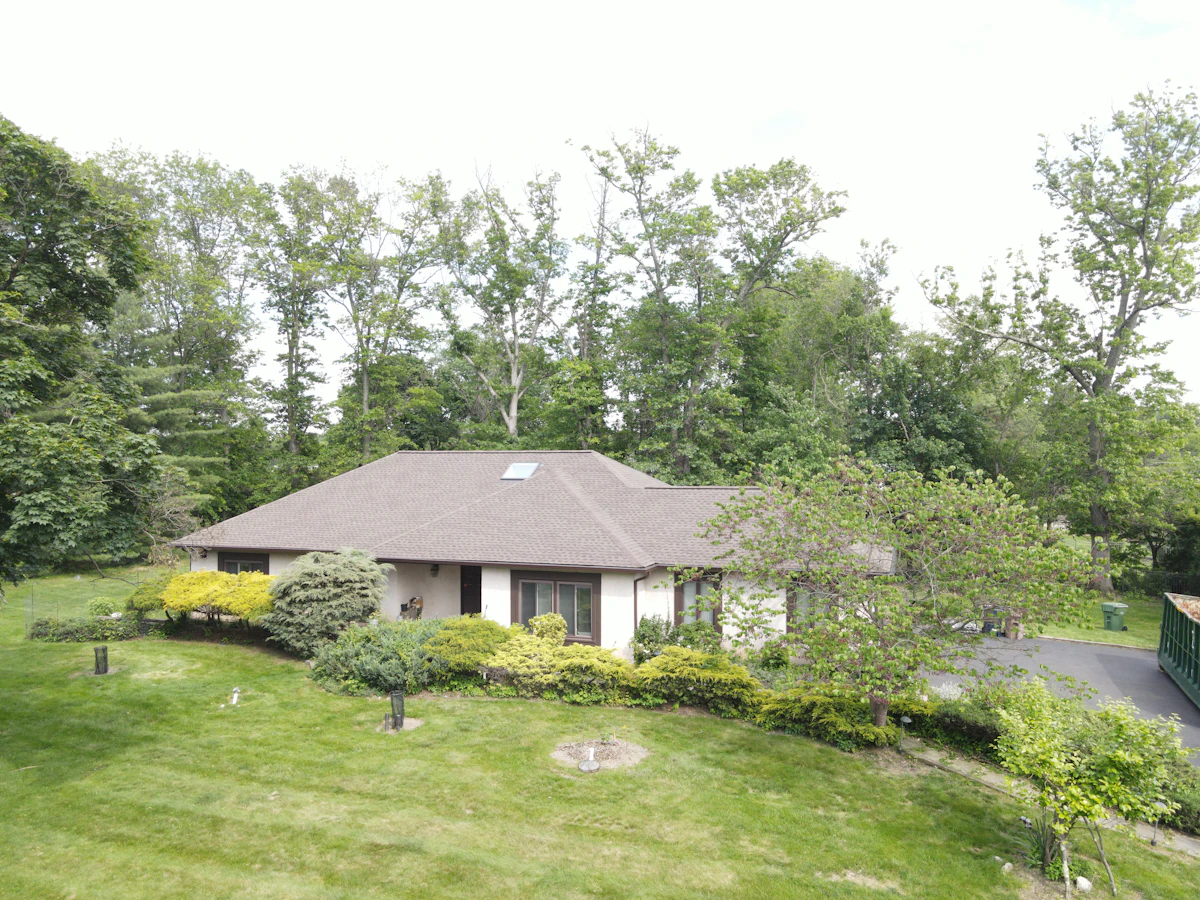
Replacing a roof is a major home project, and the right scope depends on what is already on the house. An assessment usually considers roof size and shape, pitch, existing layers, access, visible damage, ventilation, flashing, and the covering you are considering.
A recommendation should explain why replacement is being considered and whether a repair remains a reasonable option. Use the estimate to understand the work, materials, assumptions, and exclusions—not just the final number.
Savannah Roofing Services is an independent inquiry resource, not a roofing contractor. With your consent, an inquiry may be shared with an independent roofing professional. The information below is general; the professional who evaluates your home can explain the conditions found and the scope of any proposed work.
Widespread shingle wear, recurring leaks, damage in multiple areas, or a roof that has reached the end of its expected service life can prompt a closer evaluation. None of these signs automatically means the entire roof must be replaced. The condition of the roof deck and the amount of sound material still in place also matter.
Ask the roofing professional to show you what they observed and explain the alternatives. If only one area is damaged, ask whether a targeted repair could be appropriate. If replacement is recommended, ask what conditions make repair a less practical choice.
A replacement scope commonly starts with measuring the roof and identifying the existing covering and layers. It may include removing old materials, checking the exposed roof deck, replacing damaged sections of decking if needed, and preparing the surface for the new system. The estimate should explain how hidden damage will be handled if it is discovered during removal.
The new roof system may include underlayment, drip edge, flashing, ventilation details, and the selected shingles, panels, or other covering. Cleanup and disposal should also be described. Exact tasks vary by house and material, so compare the written scopes line by line.
Asphalt shingles are a common residential option, while metal roofing is available in several panel and shingle styles. Each product has its own appearance, installation requirements, maintenance considerations, and price. Roof shape, structural support, ventilation, exposure, and your budget can affect which options are suitable.
Ask for the manufacturer and product name, the installation details, and the care guidance for the exact material being proposed. Be cautious of estimates that use only broad labels such as “premium shingles” without identifying what will be installed.
A clear estimate should identify the material and accessories, tear-off and disposal, labor, flashing and ventilation work, decking allowances, cleanup, exclusions, payment schedule, and expected project timing. It should also explain who handles any permits or other project requirements that apply to your property.
Ask what could change the price after work begins and how you will be notified before additional work is done. Compare the scope and terms as well as the price. There is no reliable flat price for roof replacement without details about the particular roof and project.
There is no dependable price without inspecting and measuring the roof. Size, pitch, material, removal, access, flashing and any decking repairs can all affect the estimate. Request an itemized written proposal.
Widespread shingle wear, repeated leaks, sagging or repairs that keep returning are reasons to arrange an assessment. A professional can explain whether repair or replacement fits the roof’s condition.
The schedule depends on roof size, material, weather, access and any repairs found after the old covering is removed. Ask the professional handling your project for a schedule based on your home.
Call 743-400-6370 or send an inquiry with your ZIP code and a brief description. An independent professional may follow up about your request.
Request a Free EstimateAvailability and any estimate terms are set by the independent professional who responds.
A ceiling stain or a shingle in the yard can be unsettling. Learn how a roofer may trace the source, check nearby materials, and explain repair options.
Explore roof repair →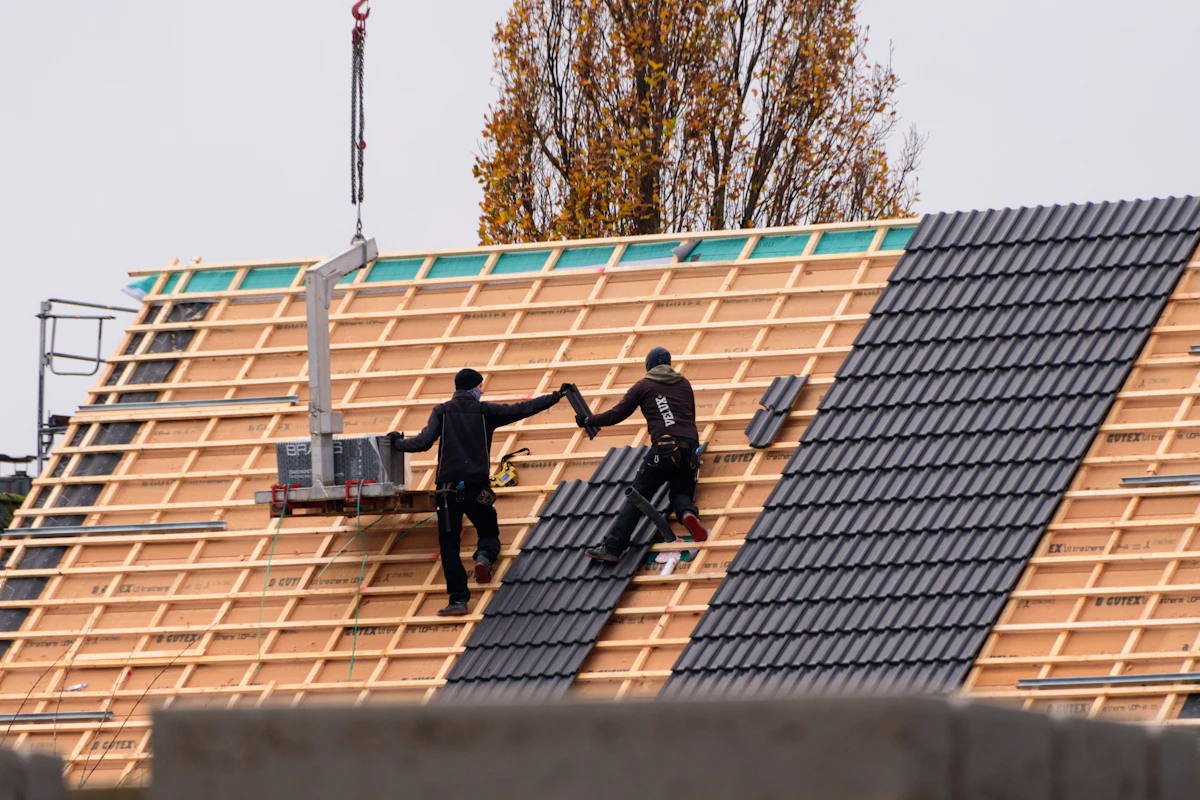
Understand roofing material choices, installation details and questions to ask before planning a new residential roof.
Explore roof installation →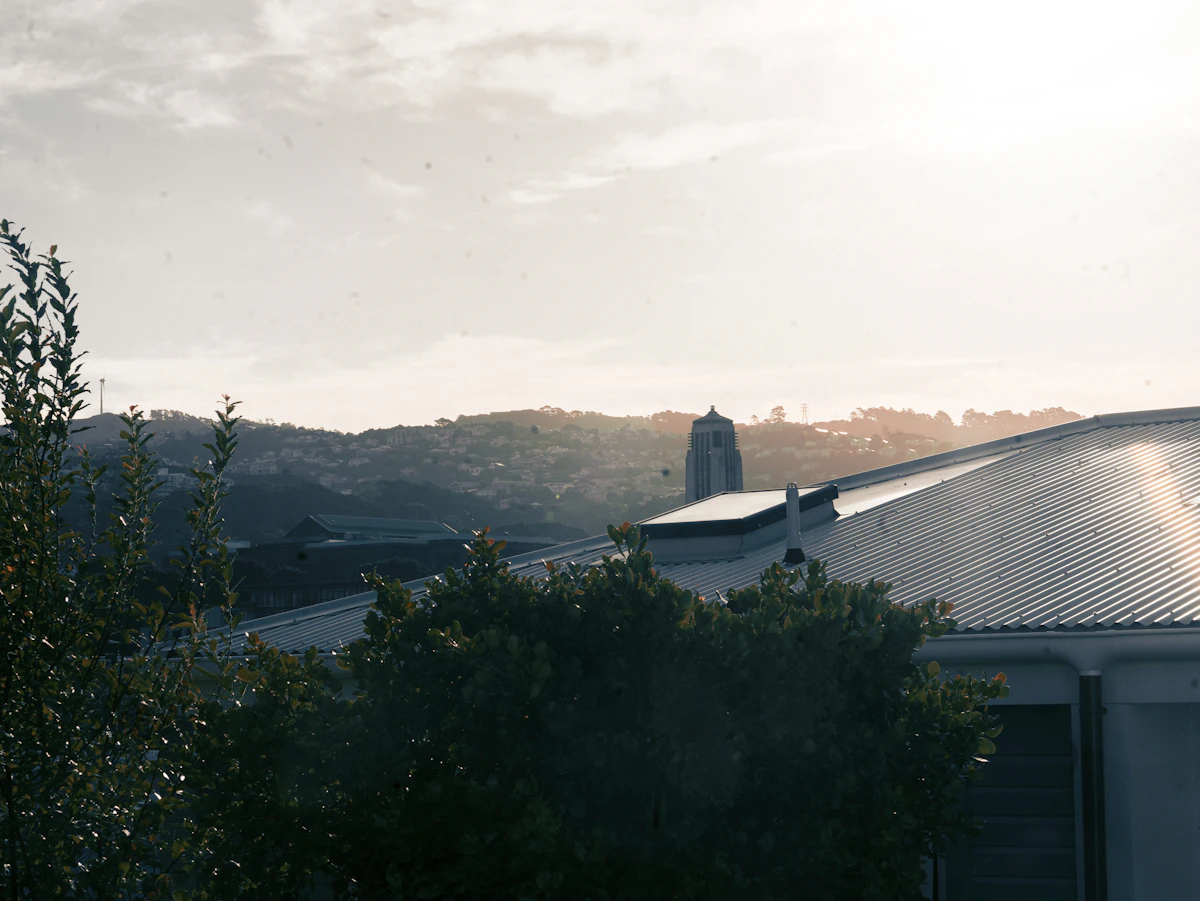
Compare metal roofing styles, benefits, limitations and maintenance considerations for homes in Georgia.
Explore metal roofing →